
**ESIM: The Digital Passport to Seamless Connectivity**
Connectivity has become the quiet infrastructure of modern life, yet the way people activate and manage mobile plans is changing fast. The eSIM, a tiny embedded chip soldered into a device, replaces the familiar plastic SIM card with a downloadable profile. Instead of visiting a store or waiting for a delivery, travelers and professionals can switch operators, add a data plan, or prepare for a trip in minutes. This shift is not just a hardware upgrade; it is a new model for how people stay connected across borders.
ESIM: The Digital Passport to Seamless Connectivity
What Makes an eSIM Different?
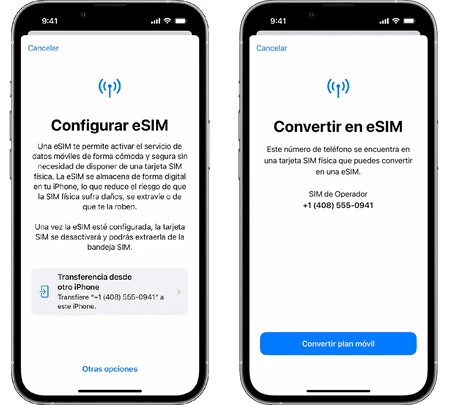
A traditional SIM is a removable card tied to one number and one network. An eSIM is embedded inside the phone, tablet, or laptop and can hold multiple profiles. Users scan a QR code or install a profile through an app, then choose which line handles calls, messages, or data. Because there is no tray to open and no card to lose, the process is cleaner and often faster. Many recent handsets support dual SIM behavior, combining a physical SIM with an eSIM or running two eSIM profiles.
Why Travelers Embrace eSIM
For frequent flyers, the biggest advantage is preparation. A traveler can buy a data plan before leaving home and activate it on arrival without hunting for a local SIM kiosk. This reduces queue time, language friction, and the risk of paying expensive roaming fees. Business travelers also appreciate keeping their primary number active for messages while using a local data profile for maps, email, and video calls. Families and groups can manage separate plans more easily, and remote workers can stay online in cafes, airports, and co-working spaces.
When choosing a plan, compare coverage, speed, validity, and device compatibility. Not every phone supports eSIM, and some carriers restrict activation to specific models. It also helps to check whether a plan is data-only or includes a phone number, because data-only plans may not support traditional calls. For short trips, a focused data package is often enough; for longer stays, a local number may be useful. Reliable providers offer clear instructions and support, which matters when a profile fails to install at an inconvenient moment. Many people now search for travel eSIM cards that balance price with dependable coverage.
How Activation Works
Activation usually follows a simple sequence. The user buys a plan, receives a QR code or activation details, and adds the profile in the device settings. After labeling the line, the user sets a default for mobile data and enables data roaming if the plan requires it. The entire process can take a few minutes, though installation should ideally happen on stable Wi-Fi before departure. Keeping the QR code accessible is wise in case the profile needs to be reinstalled, and users should avoid deleting an eSIM unless they are sure the carrier allows recovery.
Benefits at a Glance
- Faster setup: activate a plan without visiting a store.
- Travel-ready: prepare connectivity before landing.
- Space-saving: no card tray or tiny plastic card.
- Multi-profile: store work and personal lines on one device.
- Potentially lower roaming costs: use local data plans abroad.
Limitations to Consider
An eSIM is not magic, and compatibility remains the first hurdle. Older devices may lack support, and carrier policies vary by country. Some prepaid eSIMs are data-only, so users who need a local phone number must read the fine print. Troubleshooting can also feel less tangible than swapping a card, especially for people who are not comfortable in settings menus. Still, the direction is clear: embedded connectivity is becoming standard in smartphones, wearables, and laptops.
FAQs
Is an eSIM more secure than a physical SIM?
It can be. Because the profile is embedded and managed digitally, there is no card to remove or lose. Security still depends on device locks, carrier verification, and careful handling of activation codes.
Can I keep my regular number?
Often yes. Many devices support dual SIM, so you can keep your primary line for calls and messages while using an eSIM for travel data.
Do I need internet to install an eSIM?
Yes, installation usually requires a Wi-Fi or mobile connection. It is best to install before departure while connected to reliable Wi-Fi.
What happens if I delete an eSIM?
Deletion may be permanent unless the carrier allows reinstallation. Check the provider’s policy before removing a profile.
The Road Ahead
The eSIM is gradually turning connectivity into a software experience. As more devices support the standard, users will expect instant activation, transparent pricing, and flexible plans that follow them across borders. The technology will not eliminate every hassle, but it removes much of the friction that once made staying online abroad feel complicated. That shift is already reshaping how people plan trips and manage workdays. It also encourages clearer pricing and simpler plan comparisons. For anyone who values time, convenience, and control, the digital passport is already here.
